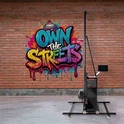
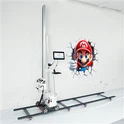
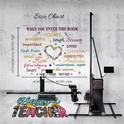
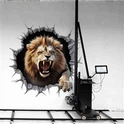
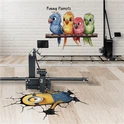
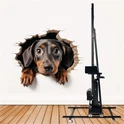
How wall printing Machine works
A wall printer (also called a wall printing machine, vertical wall printer, or UV wall printer) uses inkjet printheads and on‑machine curing to print directly onto vertical surfaces. "3D wall printer" usually refers to a layered visual effect achieved with white and/or clear ink-hardware is the same class. Real‑world performance depends on resolution/passes, wall prep, standoff distance, and whether you print white or varnish.
Why Wall Printing Machines Are a Must-Have
Wall printing machines are reshaping creativity and commerce, much like Tanyu revolutionized spaces with their TWF1000 for dual-surface magic. In 2025, these machines provide automatic, high-precision printing for walls, floors, and beyond, with seamless 3D effects and user-friendly operation. Ditch the hassle of manual painting or pricey vinyl-amp up efficiency and profits with factory-direct affordability.
Top 10 wall printing machine uses
1. Residential décor and feature walls
- Where it fits: Living rooms, bedrooms, nurseries, hallways, stairwells.
- Surfaces: Painted drywall, skim‑coated/putty walls, primed wood. Avoid loose/flaking paint.
- Prep must‑dos: Clean, fill, sand, and prime porous walls; mask trims and sockets; test a small swatch.
- Artwork tips: 200–300 ppi at final size for close viewing; soft gradients hide any panel seams.
- Machine features that help: Fine resolution, accurate ICC profiles, quiet operation, compact chassis.
- Monetization: Bundle "design + print + topcoat"; offer size tiers (e.g., 8–12 ft feature walls).
2. Retail and hospitality branding
- Where it fits: Storefronts, menu walls, wayfinding, bar backs, hotel lobbies and corridors.
- Surfaces: Drywall, tile, glass, sealed wood, acrylic.
- Prep: Degrease glossy substrates; scuff if allowed; consider white underprint on dark walls.
- Features: White ink, portable chassis for narrow aisles, color consistency across mixed surfaces.
- Monetization: Monthly refresh packages; off‑hours install premiums.
3. Corporate offices and workplaces
- Where it fits: Reception brand walls, mission statements, map walls, collaboration zones.
- Surfaces: Painted drywall, glass; check acoustic panel compatibility with the manufacturer.
- Prep: Coordinate with facilities for VOC rules; schedule around office hours.
- Features: Alignment/anti‑shake for long straight runs, repeatable brand colors via ICC.
- Monetization: Annual refresh contracts tied to brand updates and new hires.
4. Education and kids' spaces
- Where it fits: School corridors, libraries, STEM labs, daycare themes, university halls.
- Surfaces: Painted block walls, drywall, sealed wood; avoid friable plaster without priming.
- Prep: Extra cleaning; protective topcoat in high‑traffic zones.
- Features: Durable inks, low‑odor setup with ventilation, quick tear‑down to reduce disruption.
- Monetization: District‑wide programs; sponsor logos within school policy.
5. Healthcare and wellness environments
- Where it fits: Clinics, hospitals, pediatric wards, therapy rooms, gyms, spas.
- Surfaces: Painted drywall, cleanable panels (confirm wipeability with topcoat spec).
- Prep: Approvals and SDS on inks; ensure ventilation; choose matte finishes to reduce glare.
- Features: Smooth gradients for skin tones, low‑odor workflow, compatibility with protective clear.
- Monetization: Experience‑driven design packages; wellness‑themed art rotations.
6. Events, exhibitions, and photo backdrops
- Where it fits: Trade shows, pop‑ups, stage sets, media walls, galleries.
- Surfaces: Temporary drywall, primed plywood, freestanding panels.
- Prep: Build modular panels; mark seams; test standoff distances on site.
- Features: Fast setup, portable chassis, alignment lasers for large composites.
- Monetization: Day‑rate bundles (design + print + touch‑ups); per‑sponsor panel pricing.
7. Outdoor and semi‑exterior murals
- Where it fits: Facades, courtyards, covered entrances, parking structures.
- Surfaces: Sealed cement, primed masonry, tile, metal cladding; avoid chalking paint.
- Prep: Power‑wash, degrease, prime masonry; plan weather windows; apply protective clear/varnish.
- Features: White ink for dark substrates, sensor‑assisted standoff on uneven walls, rugged rails.
- Monetization: City activations, sponsored murals; include maintenance/topcoat renewals.
8. Construction, real estate, and site hoardings
- Where it fits: Sales galleries, show homes, site hoardings, leasing centers.
- Surfaces: Primed plywood, cement board, painted drywall.
- Prep: Level hoardings; seal edges; plan modular sections for re‑use at new sites.
- Features: Portable setup, fast coverage modes, high‑contrast graphics readable at distance.
- Monetization: Package per‑phase graphics (launch → sales → sold‑out messaging).
9. Museums, galleries, and cultural venues
- Where it fits: Exhibit narratives, timelines, typographic walls, donor recognition.
- Surfaces: Museum‑grade painted walls, acrylic or aluminum panels.
- Prep: Curatorial approvals; color‑critical soft proofs; removable topcoat if needed.
- Features: Fine text at close viewing distances, precise alignment for long captions and grids.
- Monetization: Seasonal exhibit contracts; donor wall updates as add‑on services.
10. Industrial sites, parking, and wayfinding
- Where it fits: Warehouses, production areas, stair cores, garages, campuses.
- Surfaces: Sealed concrete, epoxy‑coated walls, metal cladding (check adhesion).
- Prep: Degrease thoroughly; confirm chemical resistance of topcoat where cleaning agents are used.
- Features: High‑contrast type, durable inks, abrasion‑resistant clear, template jigs for repeat icons.
- Monetization: Safety graphics packages plus ongoing compliance updates.
Surface prep checklist
- Clean: Remove dust, grease, chalking paint.
- Repair: Fill holes/cracks; sand flush.
- Prime: Match primer to substrate (masonry, drywall, glossy surfaces).
- Mask: Protect floors, trims, fixtures.
- Test: Print a 10×10 cm swatch to check adhesion, color, and curing.
- Ventilate: Especially for UV inks; follow PPE guidelines.
- Approve: Get client sign‑off before full‑scale printing.
Artwork and color tips that reduce reprints
- Resolution targets: 200–300 ppi at final size for close‑view interiors; 100–150 ppi is fine for large, distant viewing.
- File types: Vector (AI/SVG/PDF) for logos and type; high‑res TIFF/PNG for photos.
- Color control: Use ICC profiles per ink/media; soft‑proof brand‑critical colors.
- White ink: Underprint on dark/transparent substrates to keep color accuracy.
- Varnish/topcoat: Adds abrasion and UV resistance; test gloss levels to avoid glare.
Quick comparison table: Features that matter by use case
| Use Case | Highest-Value Features |
|---|---|
| Residential décor | High resolution, ICC color, quiet/compact chassis |
| Retail/hospitality | White ink, quick setup, consistent color on mixed surfaces |
| Corporate offices | Alignment/anti‑shake, repeatable brand colors |
| Education | Durable inks, low‑odor workflow, scuff‑resistant topcoat |
| Healthcare | SDS-compliant workflow, wipeable topcoat, smooth gradients |
| Events/exhibitions | Portability, rapid rail leveling, camera‑friendly color |
| Outdoor/semi‑exterior | White ink, protective clear, sensor‑assisted standoff |
| Construction/real estate | Fast coverage modes, modular prints, high contrast |
| Museums/galleries | Fine text quality, precise alignment, matte finishes |
| Industrial/wayfinding | Abrasion resistance, chemical‑tolerant topcoat, icon templates |
Pricing and ROI basics
- Quote structure: Revenue per m² − (ink + topcoat + labor + travel + contingency) = gross margin.
- Plan throughput at the quality you will actually sell, not the lab‑max speed.
- Add line items for site survey, sample swatch, and after‑hours work.
- Offer three service tiers (Good/Better/Best) to upsell white ink and protective clear.
To learn more, visit the following pages:
- Learn the basics and request a demo:wall printer
- Which wall printer is best for your use case?
- Deep dive on Tanyu wall printers (features and scenarios)
- Wall printer costs and business opportunities
Want a tailored recommendation by wall type and industry? Contact us to book a 15‑minute consult.
How to Launch a Profitable Wall Printing Business in 2025
Here's your actionable plan:
1. Select a Use Case: Begin with home decor or events-Tanyu's multi-surface prowess covers them all.
2. Invest Wisely: Opt for Tanyu (~$6K+ quotation-based) with free training and 1-year warranty.
3. Market Effectively: Showcase 3D wall prints on social; target US/EU via wall printer opportunities.
4. Price for Profits: Charge $50+/m²-recoup in months with low costs.
5. Grow Sustainably: Expand with Tanyu's maintenance tips, like ink circulation for uptime.
Setup requires a 2x3m area with ventilation; prioritize safety with PPE for UV exposure. For expert picks, see what is the best wall printer.
fAQ: Burning Questions on Wall Printing Machine
1. Can a wall printer handle textured walls?
Light textures are usually fine with correct standoff and slower passes. Deep textures need extra testing or a skim coat.
2. Do I need white ink?
If you print on dark walls, tile, glass, or metal, a white underprint preserves color vibrancy and readability.
3. How high can wall printing machines go?
Many systems support ~2.5–4.0 m print height with unlimited width via step‑and‑repeat. Confirm on the exact model.
4. How long do indoor prints last?
With proper prep and an optional protective clear, indoor murals can last years. Always follow the vendor's care guidance.
5. Can I print outdoors?
Yes-on sealed/primed masonry or tile with a protective topcoat. Plan for weather windows and maintenance.
6. What files work best?
Vector for logos/text; high‑res TIFF/PNG for photos. Keep live text as vector to avoid soft edges.
7. How do I estimate ink usage?
It varies with coverage and passes. Use a conservative baseline and verify with a test swatch on the actual wall.
8. What drives cost the most?
Surface prep, travel, white/varnish usage, and after‑hours scheduling often outweigh raw ink costs.
9. How do I avoid banding?
Keep standoff consistent, level rails, use correct pass count, and perform routine nozzle checks.
10. What about odor and safety?
Provide ventilation and PPE for UV inks; verify local requirements and review SDS/MSDS documents.
11. Best use for start-ups?
Home decor or retail-easy entry with Tanyu's simple operation.
12. Where to learn more about Tanyu?
Dive into everything about Tanyu wall printers.
Seize the Opportunities – Start Profiting from Wall Printing Today!
These top 10 wall printing machine uses showcase Tanyu's unbeatable edge in speed, creativity, and earnings potential. Revolutionize spaces and launch a thriving 2025 business-your walls await!
Elevate your projects with Tanyu! Secure free training, 1-year warranty, business support. Request a quote today. Start profiting now via our wall printers!