Introduction: Seize the Custom Mural Boom
Struggling to stand out in a crowded printing market? Wall printers offer a lucrative solution, turning blank walls into vibrant, high-value murals that command premium pricing. These innovative machines print directly onto surfaces like brick, glass, or painted drywall, delivering seamless designs that vinyl wraps can't match. With the global wall printer market growing at a 12% CAGR and demand for custom interiors surging 20% annually, print shops across Europe and North America are unlocking new revenue streams. This guide reveals how wall printers drive profits through smart pricing, efficient workflows, and fast ROI, backed by practical strategies to help your shop thrive in 2025. Ready to transform walls into revenue? Let's dive in.
What is Wall Printer And How Does a Wall printer Work?
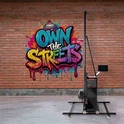
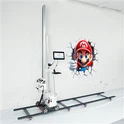
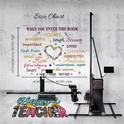
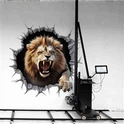
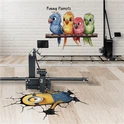
Wall printers are vertical inkjet machines that print high-resolution designs directly onto walls or other surfaces using UV-curable inks. These inks dry instantly under UV light, ensuring vibrant, durable murals on materials like drywall, brick, glass, or tile. Unlike traditional vinyl wraps, uv wall printer eliminates seams and peeling, offering low-odor, eco-friendly results.
The process is straightforward: a wall printer head moves along a vertical track, spraying ink in precise patterns controlled by software. Operators input designs, adjust for surface texture, and apply primers if needed. This technology suits both indoor and outdoor applications, making it versatile for commercial and residential projects.
Transition: With their ability to create seamless, custom murals, wall printers open unique advantages for print businesses. Let's explore why they're a game-changer.
Advantages vs. Disadvantages of Wall Printers
Wall printers bring significant benefits but come with challenges. Understanding both helps you position this service effectively.
- High Margins: Value-based pricing ($10–50/ft²) yields 40–70% gross margins, far above commodity printing.
- Market Differentiation: Seamless murals on diverse surfaces set you apart from vinyl or paint competitors.
- Fast Turnaround: Same-day printing and curing meet tight client deadlines.
- Eco-Friendly Appeal: Low-odor UV inks and minimal waste attract sustainability-conscious clients.
- Versatile Applications: From retail branding to home decor, wall printers serve diverse markets.
Disadvantages
- Upfront Investment: Wall printers, requiring careful ROI planning.
- Learning Curve: Operators need training for color management and surface prep.
- Surface Limitations: Highly textured or unstable walls may require extra primers or decline.
- Maintenance Costs: UV inks and wear parts add to operating expenses.
Transition: By leveraging these advantages, print shops can target high-value markets. Here's where wall printers shine.
Ideal Applications of Wall Printers
Wall printers cater to both B2B and B2C clients seeking custom and interior decoration. Here are key use cases:
- Hospitality: Feature walls in hotels or restaurants for branding or ambiance.
- Retail: Pop-up displays or seasonal graphics for stores.
- Education: Mascot murals or donor walls for schools and universities.
- Healthcare: Calming designs or wayfinding graphics in clinics.
- Real Estate: Personalized show units or rental refreshes.
- Residential: Custom kids' rooms or move-in-ready home decor.
- Fitness: Branded gym zones or motivational murals.
These applications tap into growing demand for experiential spaces, with clients willing to pay for bespoke designs.
Transition: To capitalize on these opportunities, a streamlined workflow ensures quality and efficiency. Here's how to execute.
Step-by-Step Workflow for How To Use A Wall Printer
A clear standard operating procedure (SOP) maximizes quality and client satisfaction. Follow these steps:
1. Site Survey: Measure wall dimensions, check surface condition (e.g., moisture or chalking), and confirm power and access. Take photos for planning.
2. Design and Approval: Create scaled mockups and confirm placement with clients.
3. Surface Prep: Clean, degrease, and apply primer (e.g., bonding or masonry) if needed. Mask adjacent areas.
4. Printing and Curing: Adjust printer settings for surface type and ink coverage. Use UV lamps to cure instantly.
5. Quality Control: Verify color accuracy and adhesion (e.g., tape test on a hidden patch).
6. Handover: Remove masking, clean the site, and provide a care sheet with maintenance tips.
7. Aftercare: Offer a 6–12-month warranty on adhesion and provide cleaning guidance.
Transition: Efficient workflows support profitability, but smart pricing and utilization are key to maximizing returns. Let's break down the numbers.
ROI and Cost Structure
Investing in a wall printer delivers fast payback with proper planning. Below is an ROI model and cost breakdown based on typical scenarios.
Assumptions
- Equipment Cost: $5,000–$12,000 (leased at $1,000–$2,500/month).
- Consumables: $0.50–$1.50/ft² for ink, primers, and wear parts.
- Maintenance: $150–$400/month for wipers, filters, and printhead care.
- Labor: $1,000–$4,000/month, based on crew size and job complexity.
- Pricing: $18–$35/ft² plus $200–$1,250 install fees per job.
- Utilization: 600–2,000 ft² printed monthly at 25–65% capacity.
Table 1: ROI Scenarios
| Scenario | Area/Mo (ft²) | Avg Price ($/ft²) | Install Fees/Mo | Revenue/Mo | Consumables + Maint | Lease | Labor | Gross Margin/Mo | Payback (Months) |
|---|---|---|---|---|---|---|---|---|---|
| Conservative | 600 | 22 | 400 | 13,600 | 900 | 2,200 | 2,000 | 8,500 | 10–14 |
| Base Case | 1,200 | 25 | 800 | 30,800 | 1,400 | 2,200 | 3,000 | 24,200 | 5–9 |
| Aggressive | 2,000 | 28 | 1,250 | 57,250 | 2,200 | 2,200 | 4,000 | 48,850 | 3–6 |
Notes: Revenue = (Area × Price) + Install Fees. Payback varies by financing terms and equipment cost.
Table 2: Cost Structure
| Item | Cost Range | Notes |
|---|---|---|
| Ink (CMYK + White) | $0.50–$1.50/ft² | Higher for white ink or varnish |
| Wear Parts | $150–$400/month | Wipers, filters, printheads |
| Primer | $50–$200/job | For textured or porous surfaces |
| Labor (Crew of 2–3) | $1,000–$4,000/month | Varies by job size and travel |
| Maintenance Reserve | $150–$400/month | For unexpected repairs |
Transition: High margins are achievable, but avoiding common pitfalls is critical. Here's what to watch for. Related Reading:How Much Does A Wall Printer Cost?
Common Mistakes and How to Avoid Them
Steer clear of these errors to protect profits:
- Underpricing Jobs: Include white ink, varnish, and access challenges in quotes.
Fix: Use tiered pricing ($18–$35/ft²) with a $500–$1,000 minimum.
- Skipping Surface Prep: Poor adhesion on chalky walls leads to rework.
Fix: Test substrates and budget for primers.
- Ignoring Travel Costs: Unbilled mileage erodes margins.
Fix: Add mileage or regional day rates to quotes.
- Overpromising on Textures: Highly textured walls may not print well.
Fix: Show clients a sample and discuss primers.
- Neglecting Maintenance: Skipped cleanings cause downtime.
Fix: Perform daily nozzle checks and weekly head cleanings.
Transition: Avoiding these mistakes sets you up for success, but choosing the right wall printing machine is equally important. Here's what to consider.
How to Choose a Wall Printer
Selecting the right wall printer ensures reliability and profitability. Focus on these factors:
- Print Quality: Look for 720–1440 dpi resolution for sharp murals.
- Surface Versatility: Ensure compatibility with drywall, brick, glass, and tile.
- Ink Type: UV-curable inks are standard for durability and low odor.
- Portability: Compact, rail-based systems suit on-site work.
- Software: User-friendly interfaces with RIP software streamline design prep.
- Support and Training: Choose vendors offering onboarding and maintenance guides.
- Cost: Budget $5,000–$30,000, factoring in financing options.
Tip: Request a demo and test prints on your target surfaces before buying.
Transition: With the right wall printer, real-world success stories show what's possible. Let's explore an example.
Hypothetical Case Study: Skyrocketing Revenue with Wall Printing
Assumption: This is a hypothetical scenario based on typical industry trends.
Background: A mid-sized print shop in Chicago invested in a wall printer in January 2025. They targeted local restaurants and retail stores, offering branded murals.
Strategy:
- Pricing: $25/ft² for CMYK, $35/ft² for CMYK + white ink, with a $750 minimum job charge.
- Marketing: Cold emails to hospitality clients and a landing page with before/after sliders.
- Workflow: Two-person crew handled surveys, printing, and QC in 1–2 days per job.
Results:
- Month 1: Printed 500 ft² across three jobs, generating $12,250 in revenue ($25/ft² + $750 install fees).
- Month 3: Scaled to 1,200 ft² monthly, earning $30,800 with 60% margins.
- Payback: Recouped investment in 8 months at 50% utilization.
Key Takeaway: Targeted marketing and efficient workflows drove fast ROI, with repeat clients boosting profits.
Transition: Ready to get started? Here's how to take the next step.
Conclusion: Transform Your Business with Wall Printing
Wall printers are revolutionizing the printing industry in 2025, offering print shops a high-margin service that taps into booming demand for custom murals. With value-based pricing ($10–$50/ft²), streamlined workflows, and ROI as fast as 3–12 months, this technology unlocks new revenue streams for B2B and B2C markets. By avoiding common pitfalls, choosing the right wall printer machine, and leveraging smart marketing, your shop can differentiate itself and thrive. Ready to act? Book a demo, upload wall photos for a quote, or use an ROI calculator to model your profits today.